
Last Updated: March 2026 | Peer Reviewed by The PCC Research Team

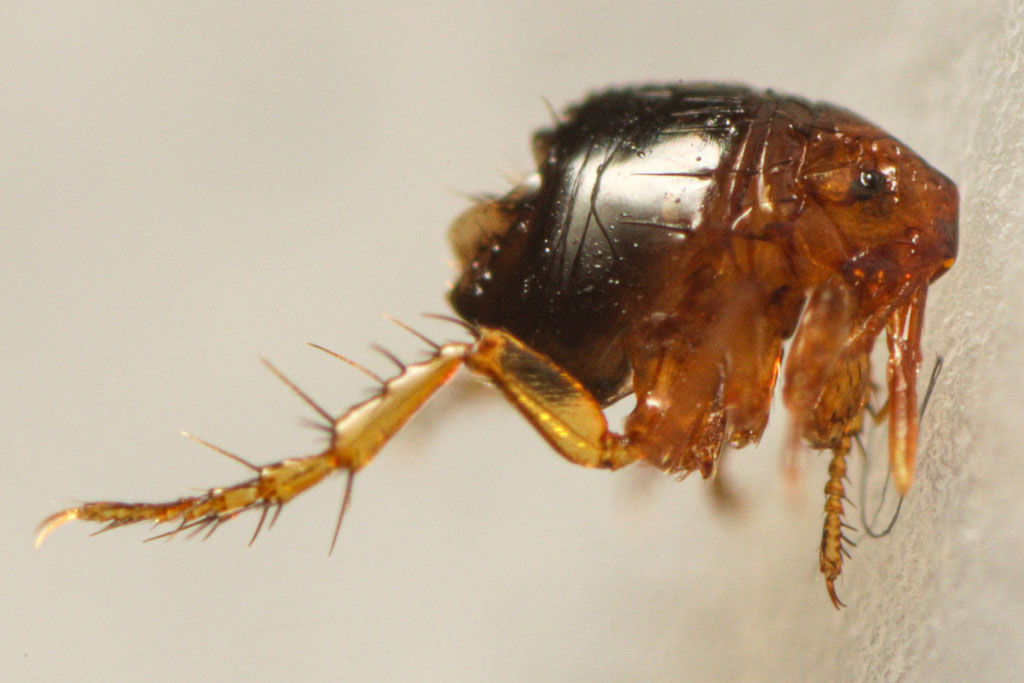
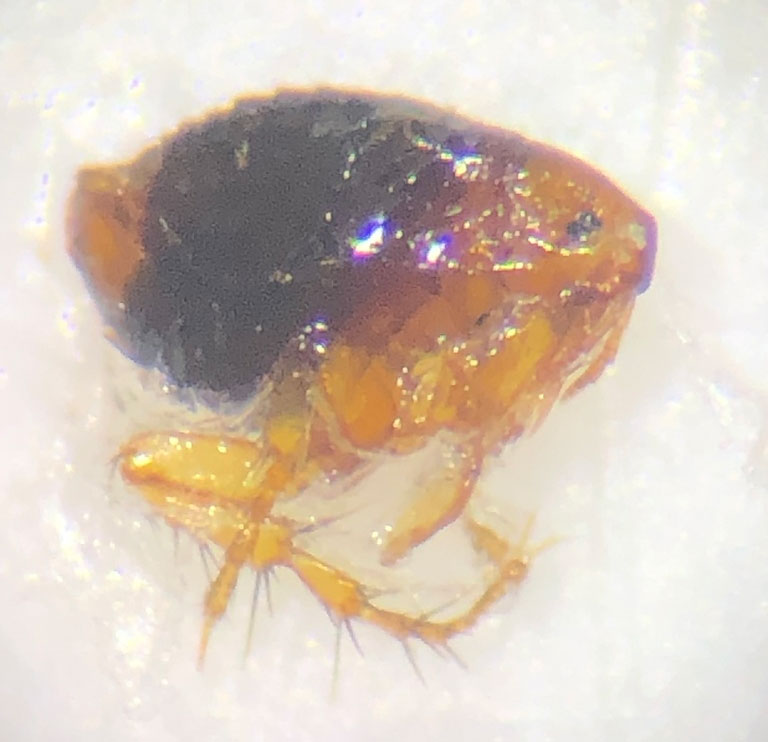
The Sticktight Flea (Echidnophaga gallinacea) behaves entirely differently from the common house fleas that plague cats and dogs. Rather than jumping around and hiding in fur, the sticktight flea embeds its head firmly into the host’s skin and remains permanently attached, operating much like a tick.
While their primary hosts are chickens, turkeys, and wild birds, they will readily attack dogs, cats, and occasionally humans who spend time near infested poultry coops. With the massive surge in backyard homesteading across California, this species has become a severe structural and veterinary pest in both rural and suburban properties.
1. How to Identify Sticktight Fleas
If you suspect a sticktight flea infestation, you will not be looking for jumping insects on your carpet. You will be looking for stationary, dark clusters attached to the skin of an animal.
- On Poultry: They cluster in dense, dark masses around the bare skin of the bird’s face, specifically on the comb, wattles, and around the eyes. From a distance, an infested bird looks like it has thick, dark scabs or dirt caked on its face.
- On Dogs and Cats: They embed themselves where the fur is thinnest—usually on the edges of the ears, between the toes, on the muzzle, or along the underbelly.
- Physical Appearance: They are extremely small (about half the size of a cat flea), dark brown or black, and have a distinctive flattened head that allows them to burrow deep into the epidermis.
Because their mouthparts are deeply and firmly anchored, attempting to pull sticktight fleas out with tweezers will almost always tear the skin or snap the flea in half, leaving the head embedded. This causes severe secondary bacterial infections in chickens and dogs.
2. Damage & Veterinary Risks
Sticktight fleas do not carry diseases like typhus, but they pose a significant physical threat to the animals they infest.
- Anemia & Exsanguination: Because they feed continuously, a heavy infestation can drain enough blood to cause severe anemia, lethargy, and even death, particularly in young chicks or small dogs.
- Blindness: When they cluster thickly around the eyes of poultry, the resulting swelling and secondary infections can cause the eyes to swell shut, leading to starvation because the bird cannot find food.
- Ulcerations: The continuous biting leads to open sores, which attract flies and can result in secondary maggot infestations (flystrike).
3. Eradication & Treatment Protocol
Treating a sticktight flea infestation requires a two-part approach: removing the embedded adults safely, and aggressively treating the soil where the eggs and larvae develop.
Instead of pulling them, you must smother them. Coat the clusters of fleas heavily with a safe, viscous substance. The fleas breathe through spiracles on their bodies, and blocking these will suffocate them.
- For Chickens: Apply a thick layer of petroleum jelly (Vaseline) or a poultry-safe natural oil (like Neem oil or mineral oil) directly over the fleas on the comb and wattles. They will suffocate and naturally drop off over the next few days.
- For Dogs/Cats: Consult your veterinarian immediately. Many modern prescription flea preventatives (oral or topical) are highly effective at killing embedded sticktight fleas systemically.
Adult females drop their eggs directly into the dirt or bedding below. The larvae develop in the soil, thriving in the organic matter of the coop.
- Strip the Environment: Remove and burn/bag all old straw, shavings, and organic matter inside the coop and the immediate run area.
- Premise Treatment: Apply a poultry-safe permethrin dust or liquid spray directly to the floors, roosts, and nesting boxes.
- Sunlight Modification: Flea larvae require dark, humid environments. Trim overhanging branches to allow direct California sunlight to bake the dirt inside the chicken run, making it inhospitable for larvae to survive.
4. Recommended Control Products
Permethrin Poultry Dust
The industry standard for treating chicken coop bedding and roosts.
View Yard GuidePetroleum Jelly
A cheap, safe, and highly effective way to suffocate embedded fleas on birds.
Diatomaceous Earth
Mix DE into the chickens’ outdoor dust bath areas to dry out adult fleas.
View DE Guide5. When to Call a Professional
Sticktight fleas rarely infest the inside of human dwellings. If your dogs are bringing them indoors, it means the exterior source (usually a coop or wild bird nest) is heavily infested. A licensed California pest control technician can perform a broadcast granular treatment to your yard and perimeter to break the breeding cycle in the soil.
Need Help With Yard Infestations?
If your property is overrun with sticktight fleas, visit the Pest Control California directory to find a verified exterminator capable of treating agricultural and large residential exteriors.
Compare Local Exterminators →6. Frequently Asked Questions
Q: Can sticktight fleas live on humans?
A: While humans are not their preferred host, they can and will bite humans who handle infested chickens or spend time in infested yards. However, they rarely establish long-term infestations on humans.
Q: Why are there dark scabs on my chicken’s face?
A: Dense clusters of sticktight fleas look exactly like dark scabs or caked dirt from a distance. If you look closely, you will see the bodies of the individual fleas embedded in the skin.
Q: Are sticktight fleas the same as ticks?
A: No. While they behave like ticks by embedding their heads into the host and remaining stationary, they are true insects (fleas) with six legs, whereas ticks are arachnids with eight legs.